What Is Leukocyte-Poor PRP?
Leukocyte-poor PRP minimizes white blood cell content in the preparation. This article explains what that means, why it matters, and how it compares to leukocyte-rich PRP in the clinical literature.
What Is Leukocyte-Poor PRP?
Platelet-rich plasma (PRP) is not a single standardized product. Preparations vary significantly in platelet concentration, red blood cell content, and — most importantly for clinical outcomes — white blood cell (leukocyte) content. Understanding the difference between leukocyte-poor and leukocyte-rich PRP is relevant to how the treatment is selected and what outcomes the evidence supports.
What Leukocytes Are and Why They Matter in PRP
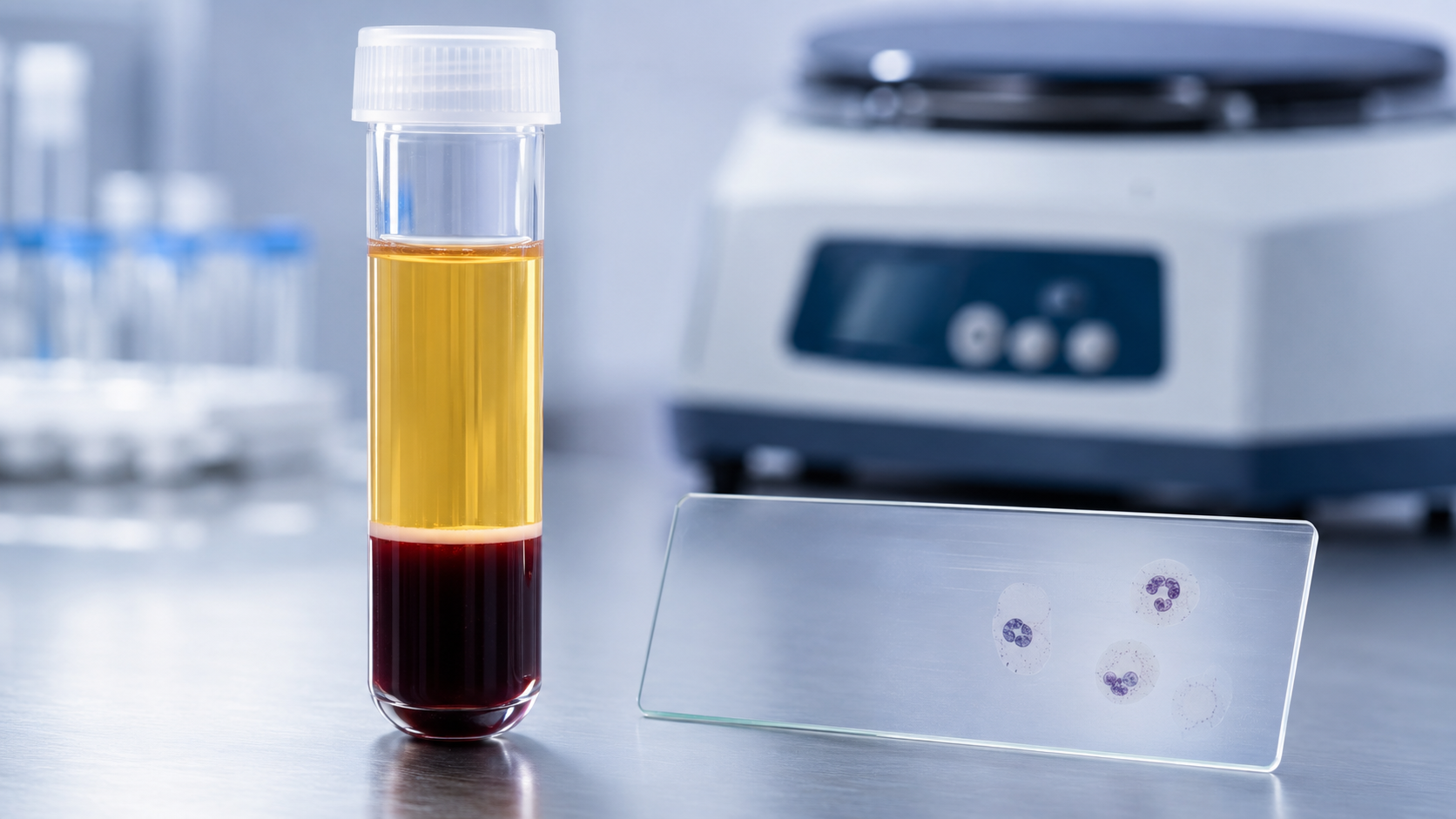
Leukocytes are white blood cells. They are a central component of the immune response and play a role in inflammation, tissue remodeling, and infection defense. When leukocytes are present in a PRP preparation, they introduce pro-inflammatory cytokines — including interleukin-1 beta (IL-1β), tumor necrosis factor-alpha (TNF-α), and matrix metalloproteinases — into the injection site.
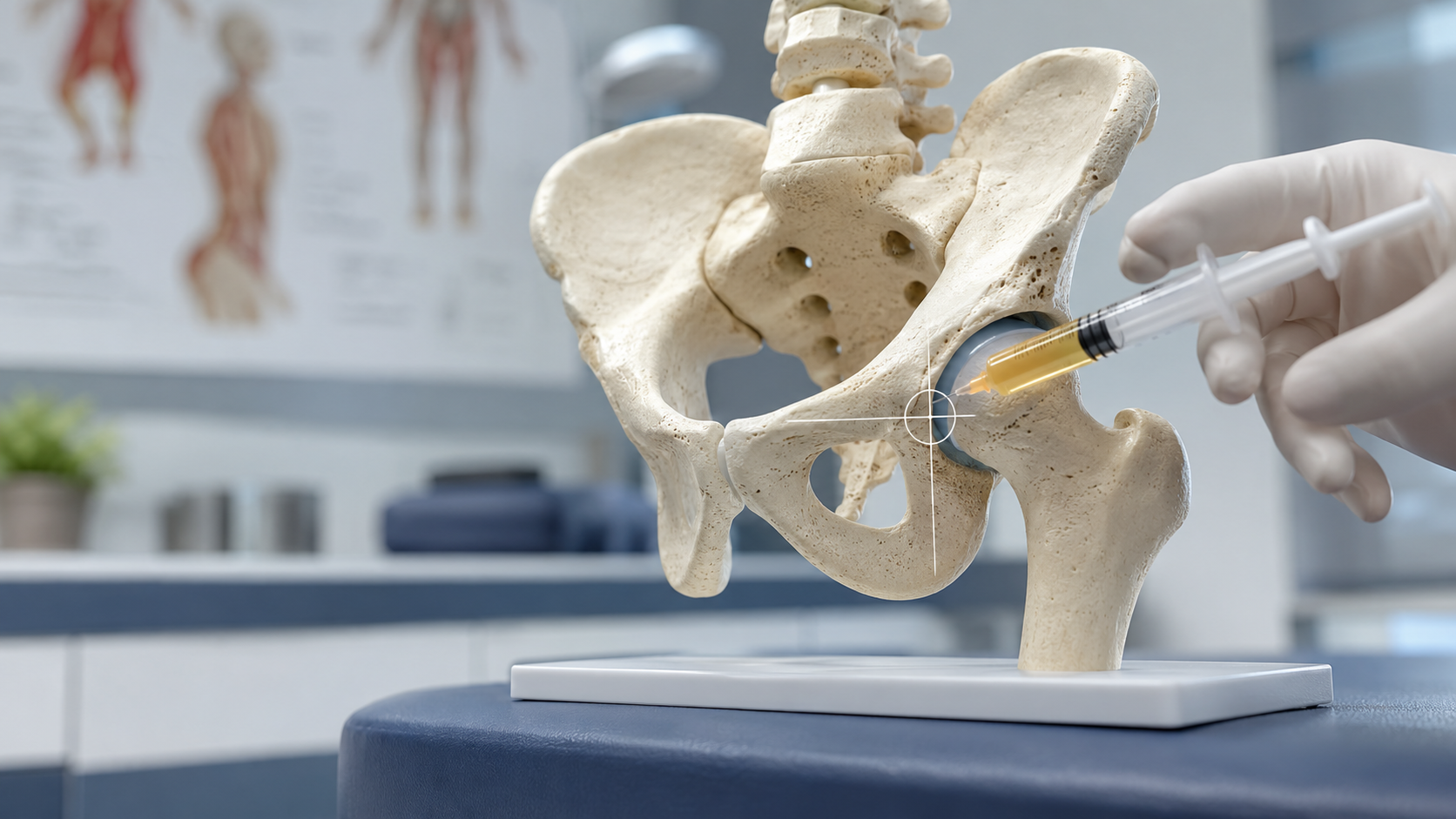
In some clinical contexts, a controlled inflammatory response may be desirable. In others, particularly intra-articular injections into joints already affected by osteoarthritis or tendinopathy, additional inflammation may worsen pain and potentially accelerate cartilage degradation.
Leukocyte-Poor vs. Leukocyte-Rich PRP: What the Evidence Shows
The clinical literature on PRP preparation type is active and not fully resolved. Several studies and systematic reviews have examined whether leukocyte content affects outcomes.
Knee osteoarthritis: A 2021 systematic review and meta-analysis by Belk et al. (American Journal of Sports Medicine, 2021; DOI: 10.1177/03635465211007918) found that leukocyte-poor PRP produced better outcomes than leukocyte-rich PRP for knee osteoarthritis, with lower rates of post-injection pain flare. A 2019 randomized controlled trial by Riboh et al. (American Journal of Sports Medicine, 2016; DOI: 10.1177/0363546515621132) similarly found leukocyte-poor PRP superior to leukocyte-rich PRP for knee osteoarthritis at 12 months.
Tendon disorders: Evidence for tendon conditions is less consistent. Some studies suggest leukocyte-rich PRP may be beneficial for chronic tendinopathy by stimulating a healing response, while others show no difference. A 2020 systematic review by Fitzpatrick et al. (Orthopaedic Journal of Sports Medicine, 2017; DOI: 10.1177/2325967117710993) found heterogeneous results across tendon applications, with preparation type as a significant source of variability.
Contradictory evidence: Not all studies find a meaningful difference between preparation types. A 2022 Cochrane-style review noted that the heterogeneity of PRP preparations across trials makes direct comparison difficult, and that preparation type alone does not explain outcome variability. Patient factors, injection technique, and disease severity all contribute.
How SELPHYL Produces Leukocyte-Poor PRP
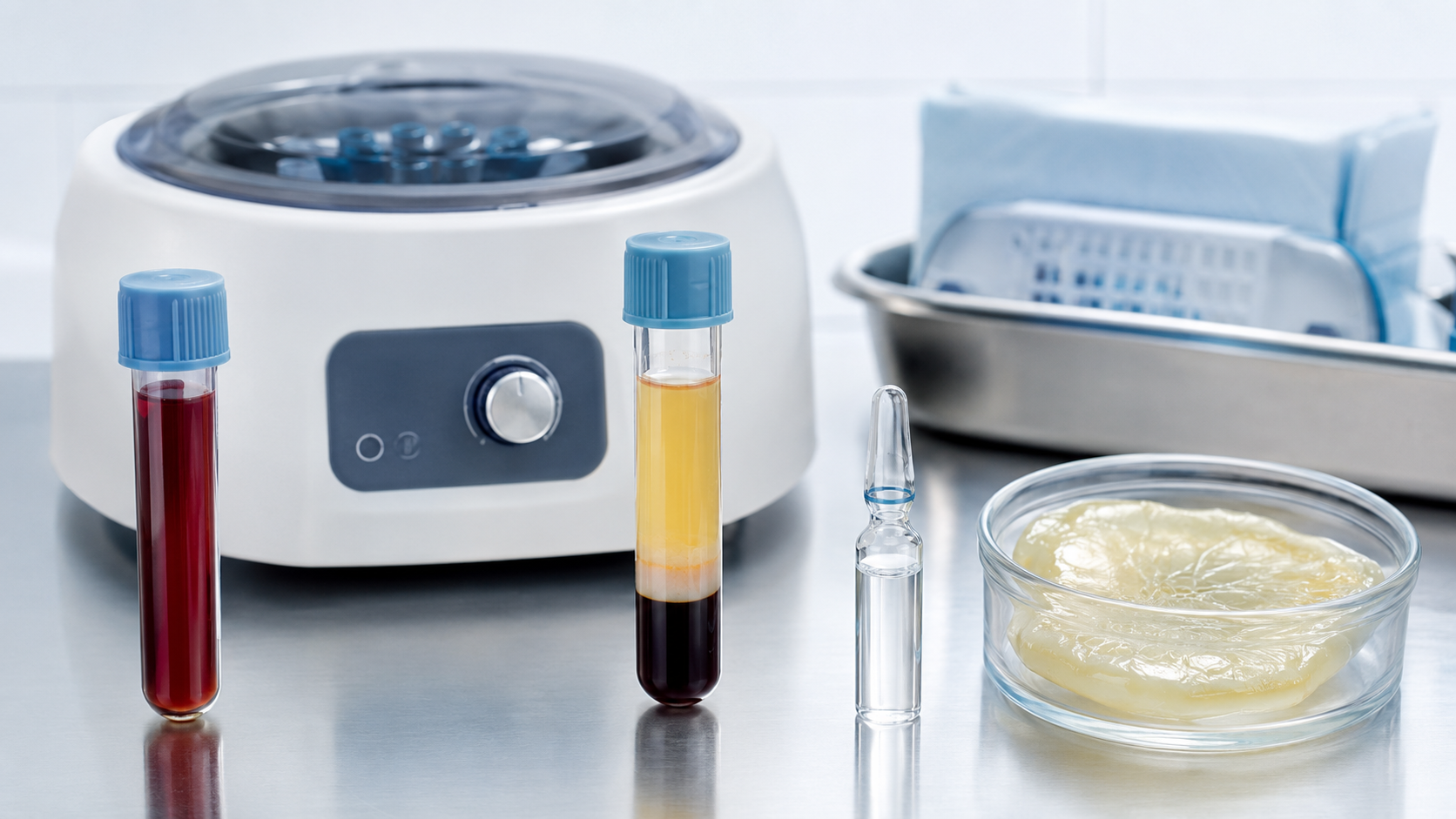
The SELPHYL system uses a closed, two-stage centrifuge process. The first spin separates red blood cells from plasma. The second spin concentrates platelets. The closed-tube design minimizes manual handling, which reduces the risk of introducing leukocytes from the buffy coat layer during separation.
The system is designed to produce leukocyte-poor PRP with reduced red blood cell contamination. Red blood cells in a PRP preparation can introduce hemoglobin breakdown products that are cytotoxic to chondrocytes — a concern for intra-articular injections.
Dr. Blythe uses the SELPHYL system because it provides a standardized, reproducible preparation from a relatively small blood draw (approximately 9 mL for the single kit, 18 mL for the double kit), with less dependence on manual separation technique.
What This Means for Patients
The type of PRP preparation matters, and it is one reason why comparing PRP studies across different systems is difficult. A patient who received leukocyte-rich PRP at another facility received a biologically different product than leukocyte-poor PRFM from the SELPHYL system.
Leukocyte-poor PRP is not appropriate for every patient or every condition. The decision to use PRP, and which preparation system to use, depends on the diagnosis, the treatment site, and the available clinical evidence for that specific application.
References
- Belk JW, et al. Leukocyte-Poor Platelet-Rich Plasma Is Superior to Leukocyte-Rich Platelet-Rich Plasma for the Treatment of Knee Osteoarthritis. Am J Sports Med. 2021;49(9):2598–2607. DOI: 10.1177/03635465211007918
- Riboh JC, et al. Effect of Leukocyte Concentration on the Efficacy of Platelet-Rich Plasma in the Treatment of Knee Osteoarthritis. Am J Sports Med. 2016;44(3):792–800. DOI: 10.1177/0363546515621132
- Fitzpatrick J, et al. Analysis of Platelet-Rich Plasma Extraction: Variations in Platelet and Blood Components Between 4 Common Commercial Kits. Orthop J Sports Med. 2017;5(1):2325967116675272. DOI: 10.1177/2325967116675272
Reviewed by Joseph Blythe, DO — July 2026 Last medical review: July 31, 2026
Explore Topics

Written & reviewed by
Joseph Blythe, DO — Orthopedic Spine Surgeon
DO | Board-Certified Orthopedic Surgeon | Fellowship-Trained Spine Specialist
Dr. Blythe is a board-certified, fellowship-trained orthopedic and spine surgeon practicing in Oklahoma City. He completed his fellowship at the Spine Institute of Arizona and holds board certification through the American Osteopathic Board of Orthopedic Surgery (AOBO). All articles in the Patient Education Center are authored and medically reviewed by Dr. Blythe.