How SELPHYL PRP Is Prepared
The SELPHYL system uses a closed, standardized process to produce leukocyte-poor PRFM from a relatively small blood draw. This article explains the preparation steps, what makes the system distinctive, and what patients can expect.
How SELPHYL PRP Is Prepared
PRP is not a single standardized product. The preparation system used — including the centrifuge protocol, tube design, and processing steps — directly affects the cellular composition of the final product. Dr. Blythe uses the SELPHYL system, which produces leukocyte-poor platelet-rich fibrin matrix (PRFM) through a closed, standardized process.
The Blood Draw
The procedure begins with a standard venous blood draw. The SELPHYL single kit requires approximately 9 mL of blood. The double kit requires approximately 18 mL. These are relatively small volumes compared to some other PRP systems, which may require 30–60 mL or more.
The blood is drawn directly into the SELPHYL collection tubes, which contain a separator gel and a calcium chloride activator. The closed-tube design means the blood is never exposed to the open environment during processing, which reduces contamination risk.
The Centrifuge Cycle
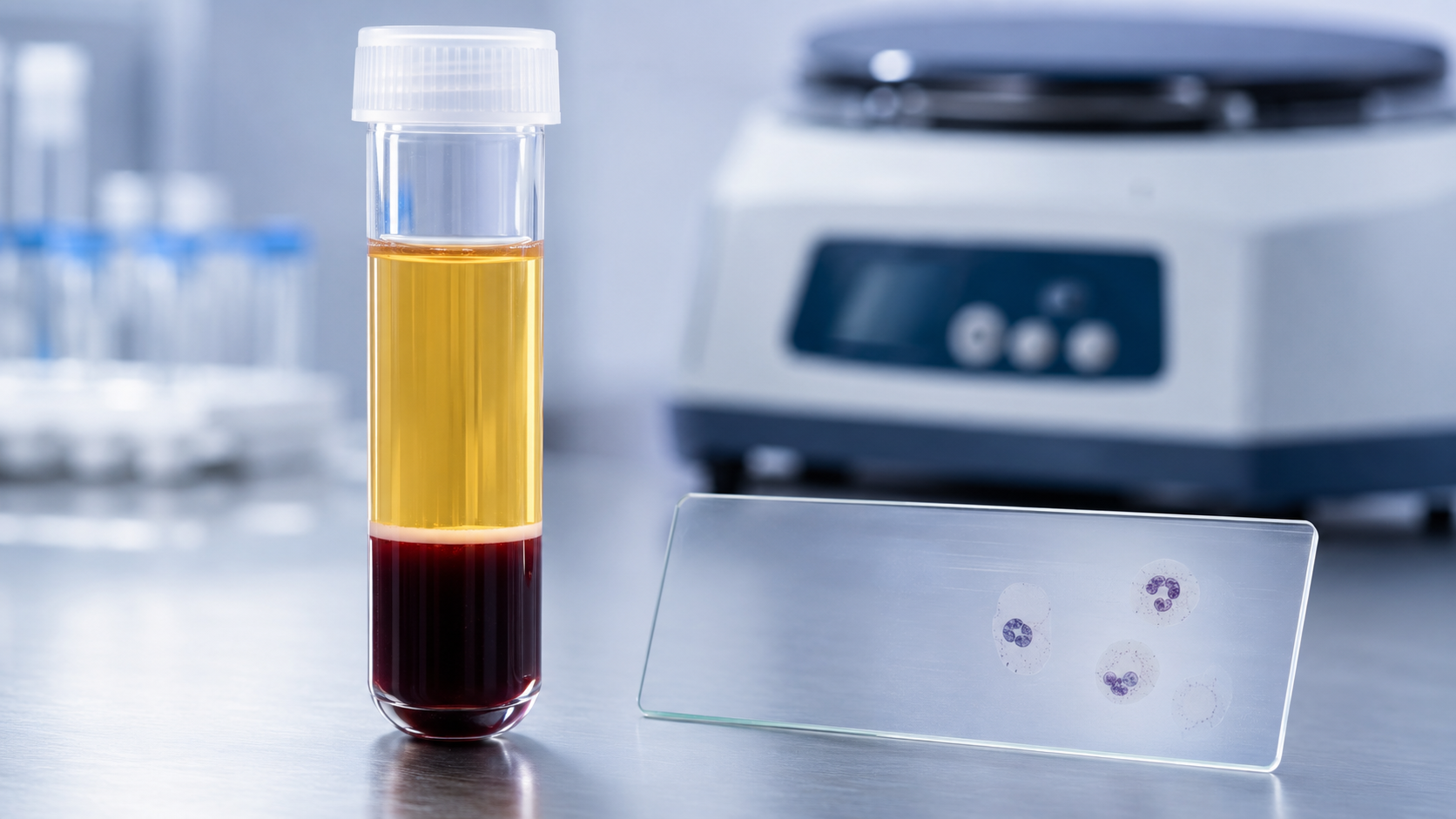
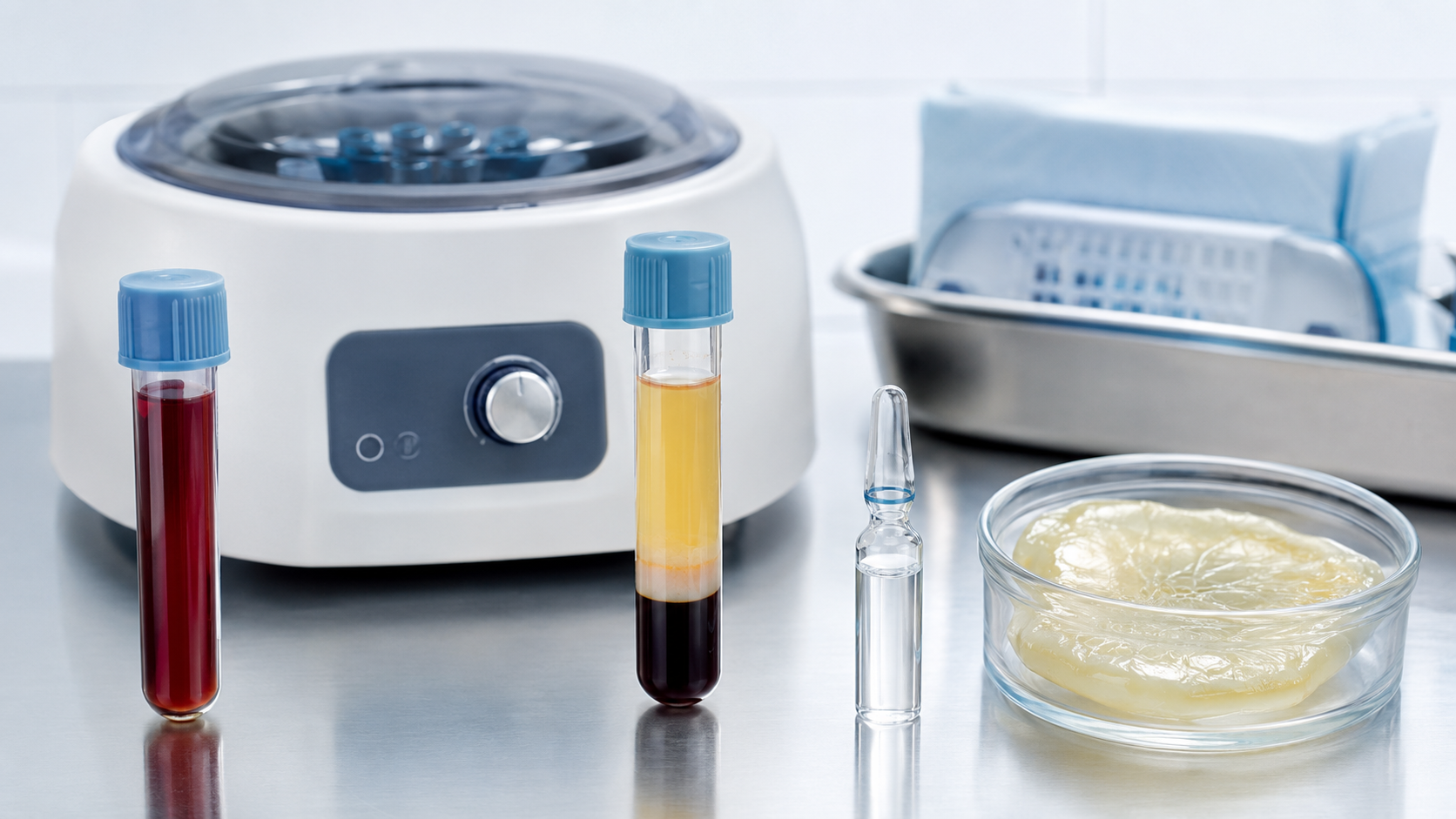
The tubes are placed in a centrifuge and spun for approximately six minutes. The centrifuge separates the blood into layers: red blood cells settle at the bottom, the separator gel forms a physical barrier, and the platelet-rich plasma rises to the top.
The separator gel is a key feature of the SELPHYL system. It physically isolates the red blood cell layer from the PRP layer, reducing red blood cell and leukocyte contamination without requiring manual pipetting or layer separation. Manual separation techniques introduce variability depending on the operator's technique and the precision of the separation step.
Conversion to PRFM
After centrifugation, the calcium chloride activator in the tube initiates the conversion of fibrinogen in the plasma to fibrin. This converts the liquid PRP into PRFM — platelet-rich fibrin matrix — a gel-like substance.
The fibrin matrix serves as a scaffold that may improve delivery and retention of platelets and growth factors at the treatment site. Rather than dispersing rapidly as a liquid injection would, PRFM remains localized at the injection site for a longer period. This is the theoretical basis for using PRFM rather than liquid PRP, though direct comparative human clinical trial data on PRFM versus liquid PRP outcomes is limited.
Single Kit vs. Double Kit
The single kit produces approximately 4 mL of PRFM from a 9 mL blood draw. The double kit produces approximately 8 mL of PRFM from an 18 mL blood draw. Both are performed in a single session — the double kit delivers additional treatment volume at the same appointment, not a second visit.
The decision to use a single or double kit depends on the treatment site, the size of the target area, and the clinical judgment of the treating physician. Larger joints or multiple treatment sites may benefit from additional volume. Additional volume does not automatically improve outcomes, and the evidence base for volume-dependent effects in PRFM is limited.
What "Closed System" Means
A closed preparation system means the blood is processed entirely within sealed tubes without being transferred to open containers or manually pipetted between steps. This reduces the risk of contamination and operator-dependent variability.
Open systems, by contrast, require the operator to manually separate the PRP layer from the red blood cell layer using a pipette or syringe. The accuracy of this step varies between operators and can affect the leukocyte and platelet content of the final product. The SELPHYL closed system is designed to minimize this variability.
What Patients Can Expect on the Day of the Procedure
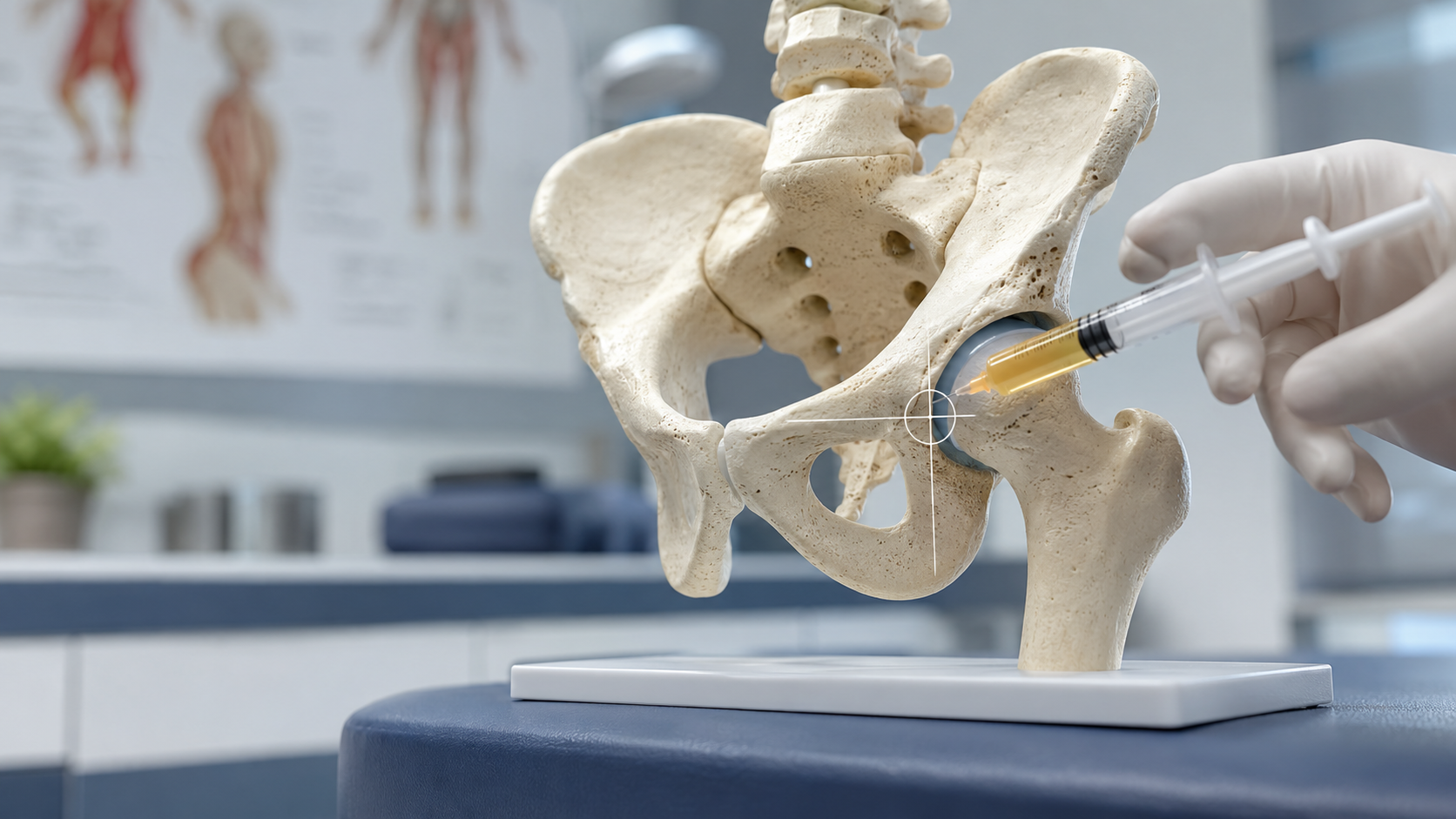
The blood draw and centrifuge cycle take approximately 15–20 minutes from start to finish. The PRFM is prepared chairside in the office. The injection itself is performed using physical examination and established anatomic landmarks for most sites. When fluoroscopic guidance is clinically necessary — such as for intra-articular hip injections — the procedure may be scheduled at a surgery center.
Patients should avoid non-steroidal anti-inflammatory drugs (NSAIDs) such as ibuprofen and naproxen for a period before and after the injection, as these medications may interfere with the platelet response. Specific guidance on medication timing will be provided at the time of the procedure.
References
- Everts P, et al. Platelet-Rich Plasma: New Performance Understandings and Therapeutic Considerations in 2020. Int J Mol Sci. 2020;21(20):7794. DOI: 10.3390/ijms21207794
- Fitzpatrick J, et al. Analysis of Platelet-Rich Plasma Extraction: Variations in Platelet and Blood Components Between 4 Common Commercial Kits. Orthop J Sports Med. 2017;5(1):2325967116675272. DOI: 10.1177/2325967116675272
- Dhurat R, Sukesh M. Principles and Methods of Preparation of Platelet-Rich Plasma: A Review and Author's Perspective. J Cutan Aesthet Surg. 2014;7(4):189–197. DOI: 10.4103/0974-2077.150734
Reviewed by Joseph Blythe, DO — July 2026 Last medical review: July 31, 2026
Explore Topics
Written & reviewed by
Joseph Blythe, DO — Orthopedic Spine Surgeon
DO | Board-Certified Orthopedic Surgeon | Fellowship-Trained Spine Specialist
Dr. Blythe is a board-certified, fellowship-trained orthopedic and spine surgeon practicing in Oklahoma City. He completed his fellowship at the Spine Institute of Arizona and holds board certification through the American Osteopathic Board of Orthopedic Surgery (AOBO). All articles in the Patient Education Center are authored and medically reviewed by Dr. Blythe.