PRP Risks, Recovery, and Activity Restrictions
PRP is generally well tolerated, but patients should understand the expected post-injection response, potential risks, and typical activity restrictions before proceeding. This article explains what to expect.
PRP Risks, Recovery, and Activity Restrictions
PRP is generally well tolerated. Because it is derived from the patient's own blood, the risk of allergic reaction or disease transmission is low. However, patients should have a clear understanding of the expected post-injection response, potential risks, and typical activity restrictions before proceeding.
Expected Post-Injection Response
The post-injection response to PRP differs from what patients typically experience after a corticosteroid injection. Corticosteroids are anti-inflammatory and often produce rapid pain relief within days. PRP works through a different mechanism — it initiates a controlled biological response — and the timeline for improvement is longer.
Immediate post-injection period (days 1–5): Most patients experience increased pain and swelling at the injection site in the first few days after PRP. This is an expected inflammatory response, not a sign that the treatment has failed. The degree of post-injection pain varies between patients and between anatomic sites.
Intermediate period (weeks 2–6): Pain typically begins to subside during this period. Some patients notice gradual improvement in function. Others notice little change during this window.
Response assessment (weeks 6–12): Meaningful clinical improvement, when it occurs, is typically apparent by six to 12 weeks. Patients who have not noticed any improvement by 12 weeks are less likely to respond to additional treatment.
The timeline for improvement is longer than for corticosteroid injection. Patients who expect rapid relief similar to a cortisone shot may be disappointed in the first few weeks.
Potential Risks
Infection: The risk of infection after PRP injection is low but not zero. The procedure is performed under sterile technique. Patients should contact the office if they develop increasing redness, warmth, swelling, or fever after the injection.
Post-injection flare: A temporary worsening of pain beyond the expected post-injection response occurs in a minority of patients. This typically resolves within one to two weeks.
Nerve or vessel injury: As with any injection procedure, there is a small risk of inadvertent needle contact with a nerve or blood vessel. This risk is minimized by using established anatomic landmarks and, when indicated, image guidance.
No improvement: PRP does not work for every patient or every condition. The absence of improvement is not a complication, but patients should understand that a meaningful response is not guaranteed.
Systemic reactions: Because PRP is derived from the patient's own blood, systemic allergic reactions are rare. Vasovagal reactions (fainting) can occur with any injection procedure and are more common in patients who are anxious about needles.
The overall safety profile of PRP is favorable. A 2014 systematic review by Filardo et al. (Knee Surgery, Sports Traumatology, Arthroscopy, 2012; DOI: 10.1007/s00167-011-1769-x) found a low rate of serious adverse events across PRP studies, with post-injection pain flare being the most commonly reported adverse effect.
Medications to Avoid
Non-steroidal anti-inflammatory drugs (NSAIDs) — including ibuprofen (Advil, Motrin), naproxen (Aleve), aspirin (in anti-inflammatory doses), and prescription NSAIDs such as meloxicam and diclofenac — should be avoided for a period before and after PRP injection.
NSAIDs work by inhibiting cyclooxygenase (COX) enzymes, which are involved in the prostaglandin pathway. Platelets rely on this pathway for activation and aggregation. NSAID use before or after PRP may blunt the platelet response and reduce the effectiveness of the treatment.
Specific guidance on how long to stop NSAIDs before and after the procedure will be provided at the time of the consultation. Acetaminophen (Tylenol) is generally acceptable for pain management after PRP, as it does not significantly affect platelet function.
Patients on anticoagulant medications (warfarin, rivaroxaban, apixaban, clopidogrel) should discuss their medication management with their physician before PRP, as these medications affect bleeding risk and may need to be temporarily held.
Activity Restrictions
Activity restrictions after PRP vary by anatomic site and the nature of the treated condition. General principles include:
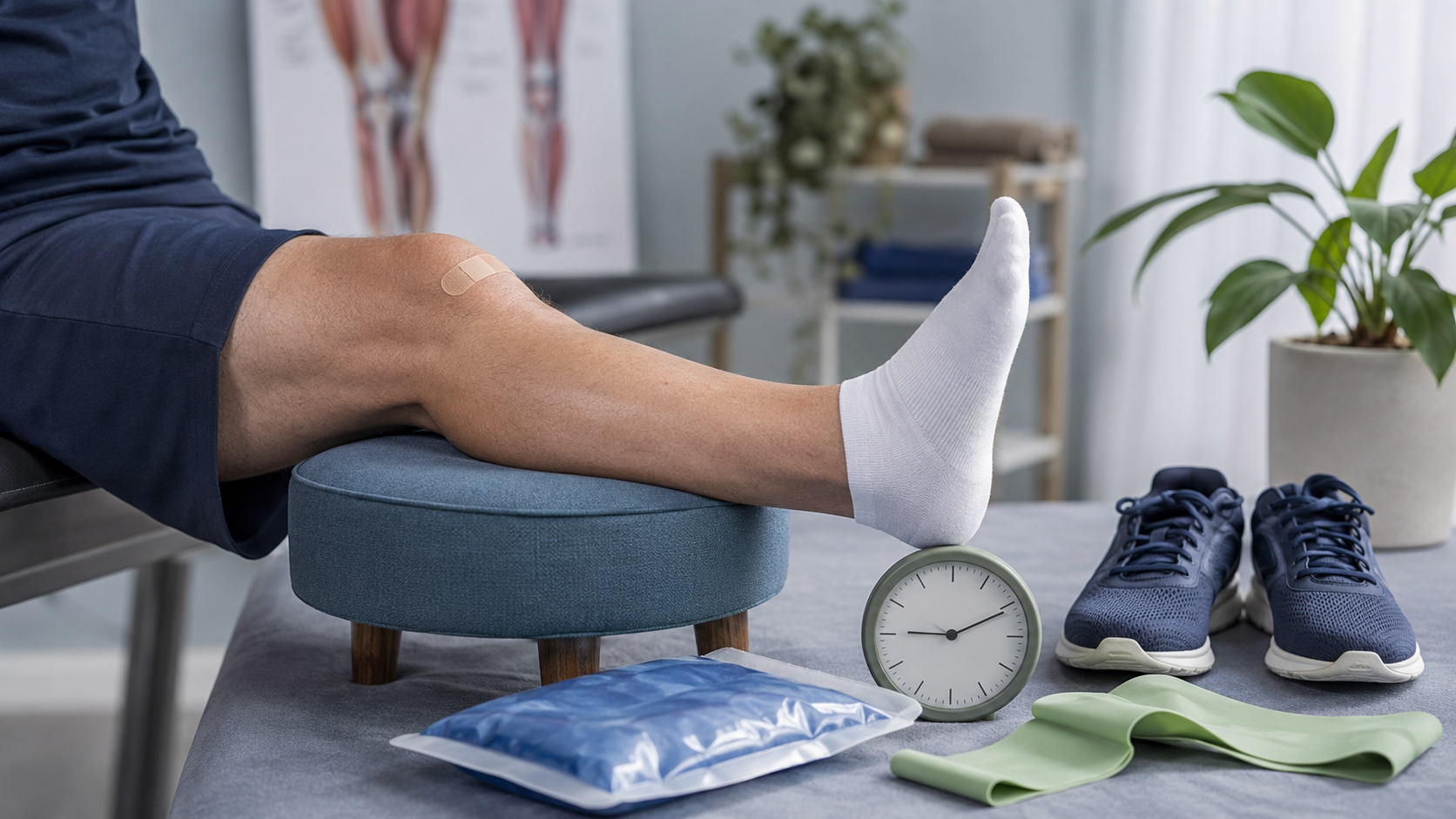
Immediate post-injection (days 1–3): Relative rest of the treated area. Avoid activities that load or stress the injection site. Ice may be applied to reduce swelling, but heat should be avoided in the immediate post-injection period.
Early recovery (days 4–14): Gradual return to light activity as tolerated. Avoid high-impact activities, heavy lifting, or repetitive loading of the treated area.
Return to full activity: The timeline for return to full activity depends on the treatment site and the patient's response. For most patients, return to full activity is expected within four to six weeks, though this varies. Specific return-to-sport timelines for athletes will be discussed at the time of the procedure.
Patients should not expect to return to full activity immediately after PRP. The post-injection inflammatory response requires a period of relative rest to allow the biological process to proceed without mechanical disruption.
References
- Filardo G, et al. Platelet-Rich Plasma Intra-Articular Knee Injections Show No Superiority Versus Viscosupplementation. Knee Surg Sports Traumatol Arthrosc. 2012;20(12):2509–2516. DOI: 10.1007/s00167-011-1769-x
- Everts P, et al. Platelet-Rich Plasma: New Performance Understandings and Therapeutic Considerations in 2020. Int J Mol Sci. 2020;21(20):7794. DOI: 10.3390/ijms21207794
- Andia I, Maffulli N. Platelet-Rich Plasma for Managing Pain and Inflammation in Osteoarthritis. Nat Rev Rheumatol. 2013;9(12):721–730. DOI: 10.1038/nrrheum.2013.141
Reviewed by Joseph Blythe, DO — July 2026 Last medical review: July 31, 2026
Explore Topics

Written & reviewed by
Joseph Blythe, DO — Orthopedic Spine Surgeon
DO | Board-Certified Orthopedic Surgeon | Fellowship-Trained Spine Specialist
Dr. Blythe is a board-certified, fellowship-trained orthopedic and spine surgeon practicing in Oklahoma City. He completed his fellowship at the Spine Institute of Arizona and holds board certification through the American Osteopathic Board of Orthopedic Surgery (AOBO). All articles in the Patient Education Center are authored and medically reviewed by Dr. Blythe.