TB-500 and Thymosin Peptides: Claims, Evidence, and Safety
TB-500 is a synthetic peptide derived from thymosin beta-4. This article reviews the claims made about TB-500, what the evidence actually shows, the FDA\'s concerns, and what patients should understand before considering this compound.
TB-500 and Thymosin Peptides: Claims, Evidence, and Safety
TB-500 is a synthetic peptide fragment derived from thymosin beta-4, a naturally occurring protein involved in cell migration, tissue repair, and inflammation modulation. It is widely marketed for injury recovery, muscle healing, and performance enhancement. Understanding the difference between what is claimed and what the evidence actually supports is important for patients considering this compound.
What Thymosin Beta-4 Is
Thymosin beta-4 (TB4) is a naturally occurring 43-amino-acid protein found in virtually all human cells. It plays a role in actin polymerization (the organization of the cellular cytoskeleton), cell migration, wound healing, and the regulation of inflammation. It is produced endogenously — the body makes it — and it is involved in normal tissue repair processes.
TB-500 is a synthetic 17-amino-acid fragment of thymosin beta-4, specifically the actin-binding domain (amino acids 17–23 of TB4, extended to a 17-mer). It is not identical to thymosin beta-4 but is designed to replicate some of its biological activity.
What the Evidence Shows
Animal studies: Thymosin beta-4 and TB-500 have been studied in animal models for cardiac repair, wound healing, corneal injury, and musculoskeletal healing. A 2010 study by Bock-Marquette et al. (Nature, 2004; DOI: 10.1038/nature02468) found that thymosin beta-4 promoted cardiac repair after myocardial infarction in mice. Animal studies have also reported effects on tendon and muscle healing in rodent models.
Human evidence: The human clinical evidence for TB-500 in musculoskeletal conditions is very limited. A 2026 review of the orthopedic literature (PubMed ID: 41966639) found no published large randomized controlled trials of TB-500 for any musculoskeletal indication in humans. The available human data consists primarily of case reports and anecdotal accounts.
Thymosin alpha-1 — a different thymosin peptide — has been studied more extensively in humans for immune modulation and has been approved in some countries for hepatitis B and C treatment. This is a different compound from TB-500 and the evidence for thymosin alpha-1 does not apply to TB-500.
Contradictory evidence: Several animal studies have found that the effects of thymosin beta-4 are context-dependent and do not uniformly accelerate healing. The compound's role in promoting angiogenesis (new blood vessel formation) has raised theoretical concerns about its potential to promote tumor growth in patients with existing malignancies, though this has not been demonstrated in human studies.
FDA Position
The FDA has raised specific concerns about TB-500 as a compounded substance. In July 2026, the FDA's Pharmacy Compounding Advisory Committee reviewed TB-500 along with several other peptides. The committee considered whether TB-500 should be placed on the list of bulk drug substances that cannot be used in compounding.
The FDA's concerns include: the absence of adequate human clinical trial data, manufacturing quality concerns for compounded preparations, and the theoretical safety concerns associated with a compound that promotes cell migration and angiogenesis.
Safety Considerations
The long-term safety profile of TB-500 in humans is unknown. The absence of large human clinical trials means that rare but serious adverse effects would not have been detected. Specific safety concerns that have been raised in the scientific literature include:
- Theoretical oncologic risk: Compounds that promote cell migration and angiogenesis could theoretically promote tumor growth or metastasis. This has not been demonstrated in human studies, but the theoretical concern is relevant for patients with a history of malignancy.
- Unknown long-term effects: The absence of long-term human data means that effects beyond a few months of use are unknown.
- Compounding quality variability: Compounded preparations are not subject to the same manufacturing quality standards as FDA-approved drugs. Purity, potency, and sterility can vary between compounding pharmacies.
What Patients Should Understand
TB-500 is not an FDA-approved medication. The evidence for its use in musculoskeletal conditions consists primarily of animal studies and anecdotal reports. The FDA is actively reviewing whether it should remain available through compounding pharmacies. Patients considering TB-500 should have a clear conversation with their physician about the evidence basis, the regulatory status, and the unknown safety profile before proceeding.
References
- Bock-Marquette I, et al. Thymosin Beta4 Activates Integrin-Linked Kinase and Promotes Cardiac Cell Migration, Survival and Cardiac Repair. Nature. 2004;432(7016):466–472. DOI: 10.1038/nature02468
- Goldstein AL, Kleinman HK. Advances in the Basic and Clinical Applications of Thymosin Beta-4. Expert Opin Biol Ther. 2015;15(Suppl 1):S139–145. DOI: 10.1517/14712598.2015.1011617
- U.S. Food and Drug Administration. Pharmacy Compounding Advisory Committee Meeting, July 23-24, 2026. FDA.gov.
Reviewed by Joseph Blythe, DO — July 2026 Last medical review: July 31, 2026
Explore Topics
Written & reviewed by
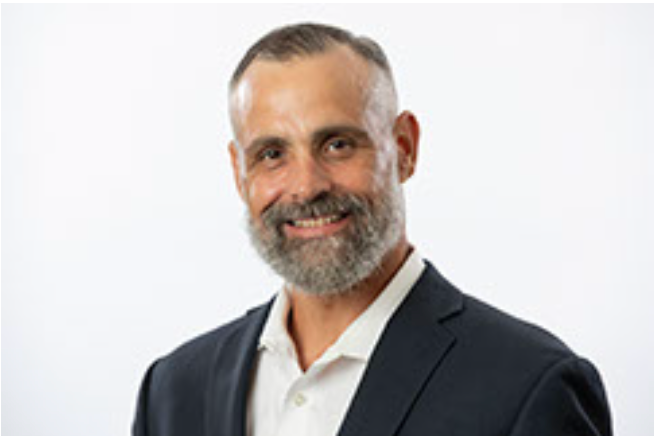
Joseph Blythe, DO — Orthopedic Spine Surgeon
DO | Board-Certified Orthopedic Surgeon | Fellowship-Trained Spine Specialist
Dr. Blythe is a board-certified, fellowship-trained orthopedic and spine surgeon practicing in Oklahoma City. He completed his fellowship at the Spine Institute of Arizona and holds board certification through the American Osteopathic Board of Orthopedic Surgery (AOBO). All articles in the Patient Education Center are authored and medically reviewed by Dr. Blythe.