BPC-157 and Musculoskeletal Healing: Animal Research Versus Human Evidence
BPC-157 has shown effects in animal studies, but human clinical trial data is limited. This article reviews what the preclinical evidence shows, what is missing, and what the FDA has said about this compound.

BPC-157 and Musculoskeletal Healing: Animal Research Versus Human Evidence
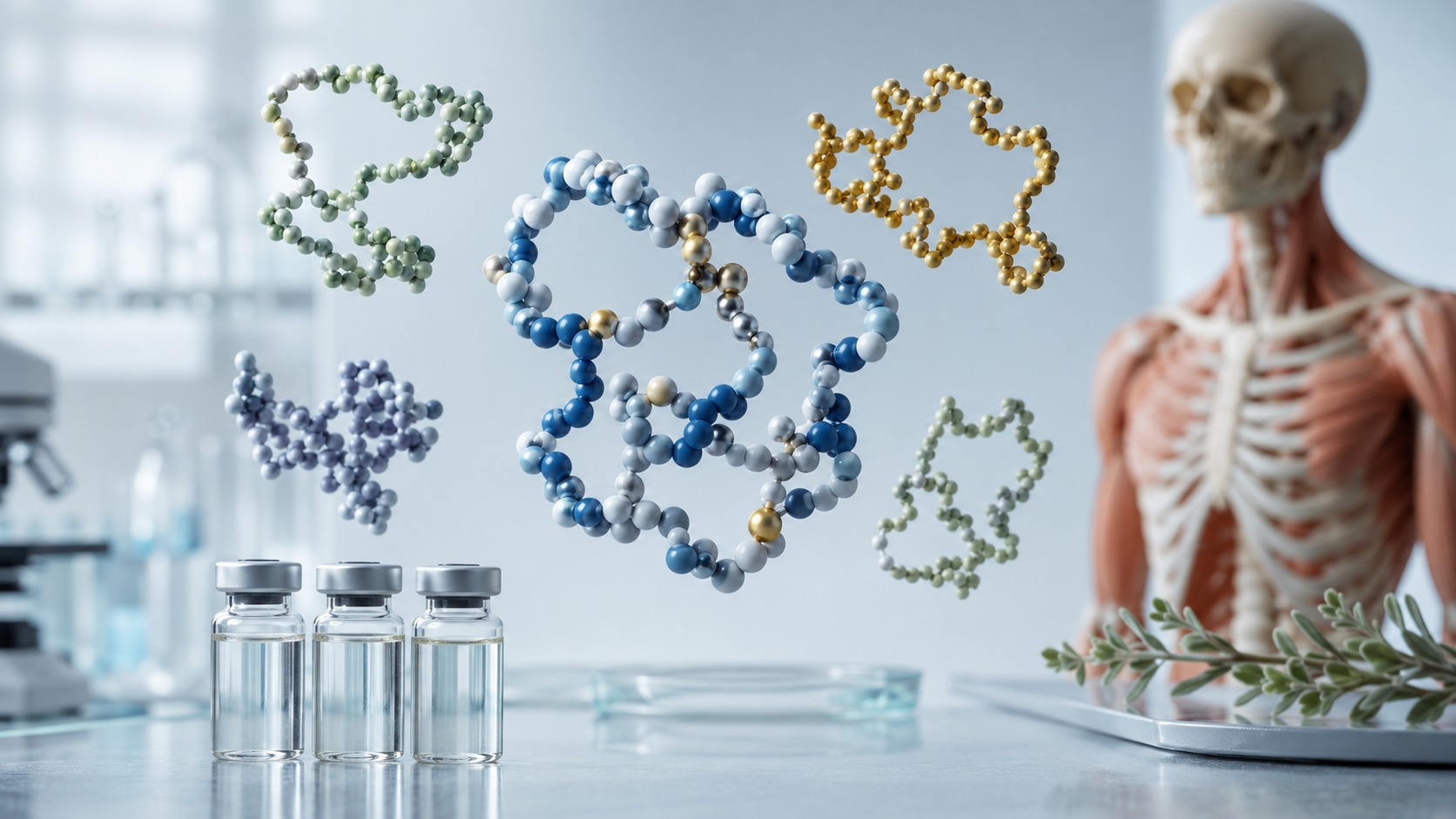
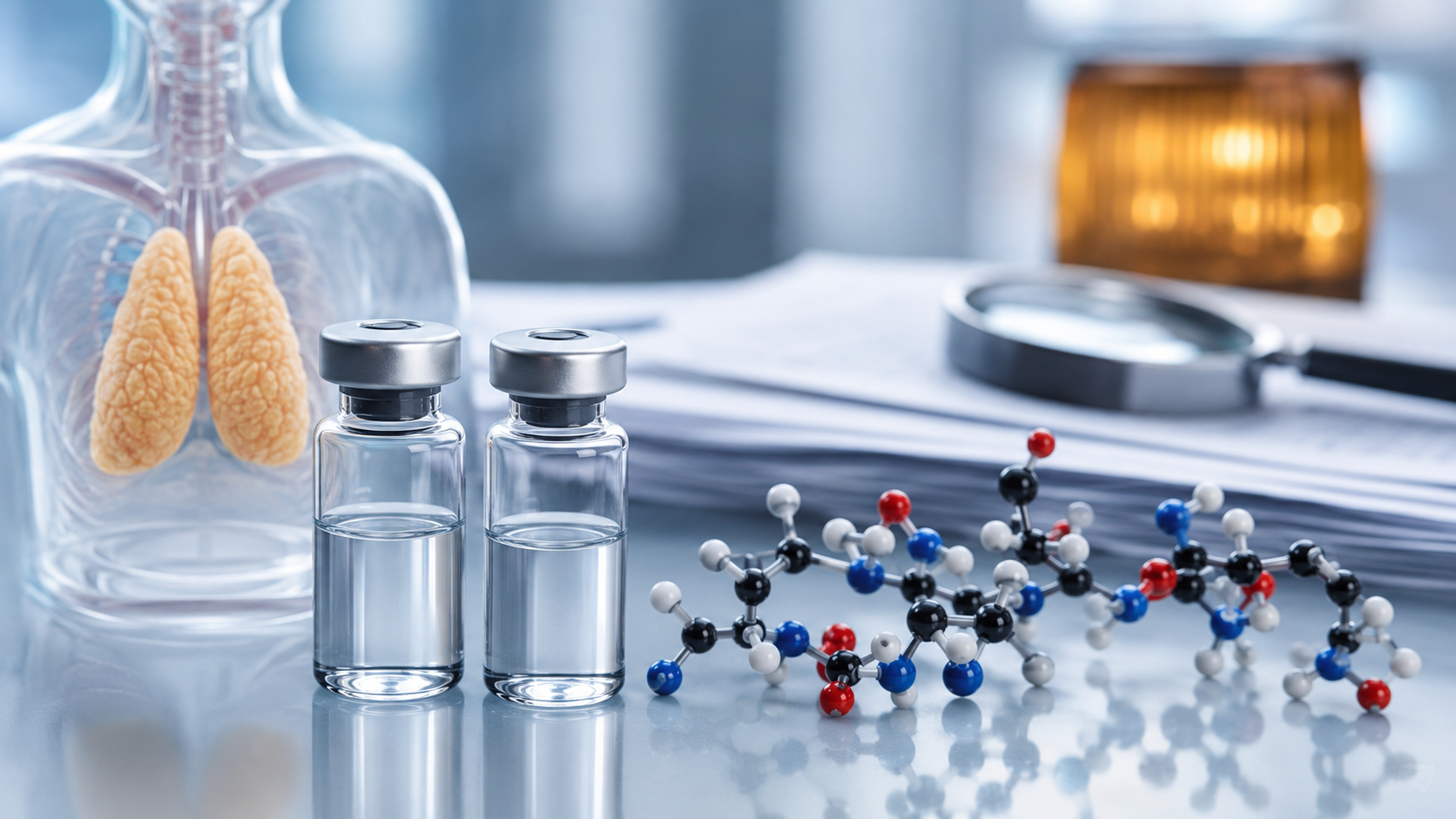
BPC-157 (Body Protection Compound 157) is a synthetic pentadecapeptide — a 15-amino-acid chain — derived from a protein found in gastric juice. It has been studied extensively in animal models for its effects on tissue healing. It is widely available through compounding pharmacies and is frequently marketed for musculoskeletal injury recovery. The gap between the animal evidence and the human clinical evidence is significant and should be understood before considering this compound.
What BPC-157 Is
BPC-157 is a synthetic peptide that does not occur naturally in the human body in this exact form. It is derived from a sequence found in human gastric juice protein BPC, but the 15-amino-acid fragment used in research and compounding is a synthetic construct.
It is not an FDA-approved medication for any indication. It is not available as a commercially manufactured pharmaceutical product in the United States. It is available through compounding pharmacies as an injectable or oral preparation.
What Animal Studies Show
The animal research on BPC-157 is extensive and covers a range of tissue types. Studies in rodent models have reported:
- Accelerated tendon healing after Achilles tendon transection (Pevec et al., Journal of Orthopaedic Research, 2010; DOI: 10.1002/jor.21107)
- Improved healing of muscle injuries in rats
- Reduced inflammation in animal models of inflammatory bowel disease
- Neuroprotective effects in rodent models of nerve injury
- Bone healing effects in rat fracture models
These findings are consistent across multiple research groups and suggest that BPC-157 has biological activity in animal models. The mechanisms proposed include upregulation of growth hormone receptors, promotion of angiogenesis (new blood vessel formation), and modulation of nitric oxide signaling.
What Human Evidence Exists
This is where the evidence base becomes significantly weaker. As of 2026, there are no published large randomized controlled trials of BPC-157 in humans for any musculoskeletal indication. The human evidence consists of:
- A small number of case reports and case series
- One Phase II clinical trial for inflammatory bowel disease (not a musculoskeletal indication) that was conducted in the early 2000s and showed some safety signal data but was not completed
- Anecdotal reports from athletes and patients who have used the compound
The absence of human randomized controlled trial data is a critical limitation. Animal models of tendon healing, muscle injury, and bone repair do not reliably predict human outcomes. Many compounds that accelerate healing in rodent models have failed to demonstrate efficacy in human clinical trials.
FDA Position
The FDA has raised specific concerns about BPC-157 as a compounded substance. In July 2026, the FDA's Pharmacy Compounding Advisory Committee reviewed BPC-157 and several other peptides. The committee considered whether BPC-157 should be placed on the list of bulk drug substances that cannot be used in compounding under Section 503A or 503B of the Federal Food, Drug, and Cosmetic Act.
The FDA's concerns include: the absence of adequate human clinical trial data demonstrating safety and efficacy, manufacturing quality concerns for compounded preparations, and the potential for harm from a compound that has not been adequately studied in humans.
Patients should be aware that the FDA's review of BPC-157 may result in restrictions on its availability through compounding pharmacies.
What This Means for Patients
The animal evidence for BPC-157 is genuinely interesting from a scientific standpoint. The compound has biological activity in animal models, and the proposed mechanisms are plausible. However, interesting animal data does not translate directly into clinical benefit in humans.
Patients considering BPC-157 should understand:
- There are no large human randomized controlled trials demonstrating safety or efficacy for musculoskeletal conditions
- The compound is not FDA-approved for any indication
- The FDA is actively reviewing whether it should remain available through compounding
- The long-term safety profile in humans is unknown
- Anecdotal reports and testimonials are not a substitute for clinical trial evidence
References
- Pevec D, et al. Impact of Pentadecapeptide BPC 157 on Muscle Healing Impaired by Systemic Corticosteroid Application. Med Sci Monit. 2010;16(3):BR81–88.
- Sikiric P, et al. Brain-Gut Axis and Pentadecapeptide BPC 157: Theoretical and Practical Implications. Curr Neuropharmacol. 2016;14(8):857–865. DOI: 10.2174/1570159X13666160502153022
- U.S. Food and Drug Administration. Pharmacy Compounding Advisory Committee Meeting, July 23-24, 2026. FDA.gov.
Reviewed by Joseph Blythe, DO — July 2026 Last medical review: July 31, 2026
Explore Topics

Written & reviewed by
Joseph Blythe, DO — Orthopedic Spine Surgeon
DO | Board-Certified Orthopedic Surgeon | Fellowship-Trained Spine Specialist
Dr. Blythe is a board-certified, fellowship-trained orthopedic and spine surgeon practicing in Oklahoma City. He completed his fellowship at the Spine Institute of Arizona and holds board certification through the American Osteopathic Board of Orthopedic Surgery (AOBO). All articles in the Patient Education Center are authored and medically reviewed by Dr. Blythe.